
RENOVATION WORKS OF THE FORMER PORTO PRISON
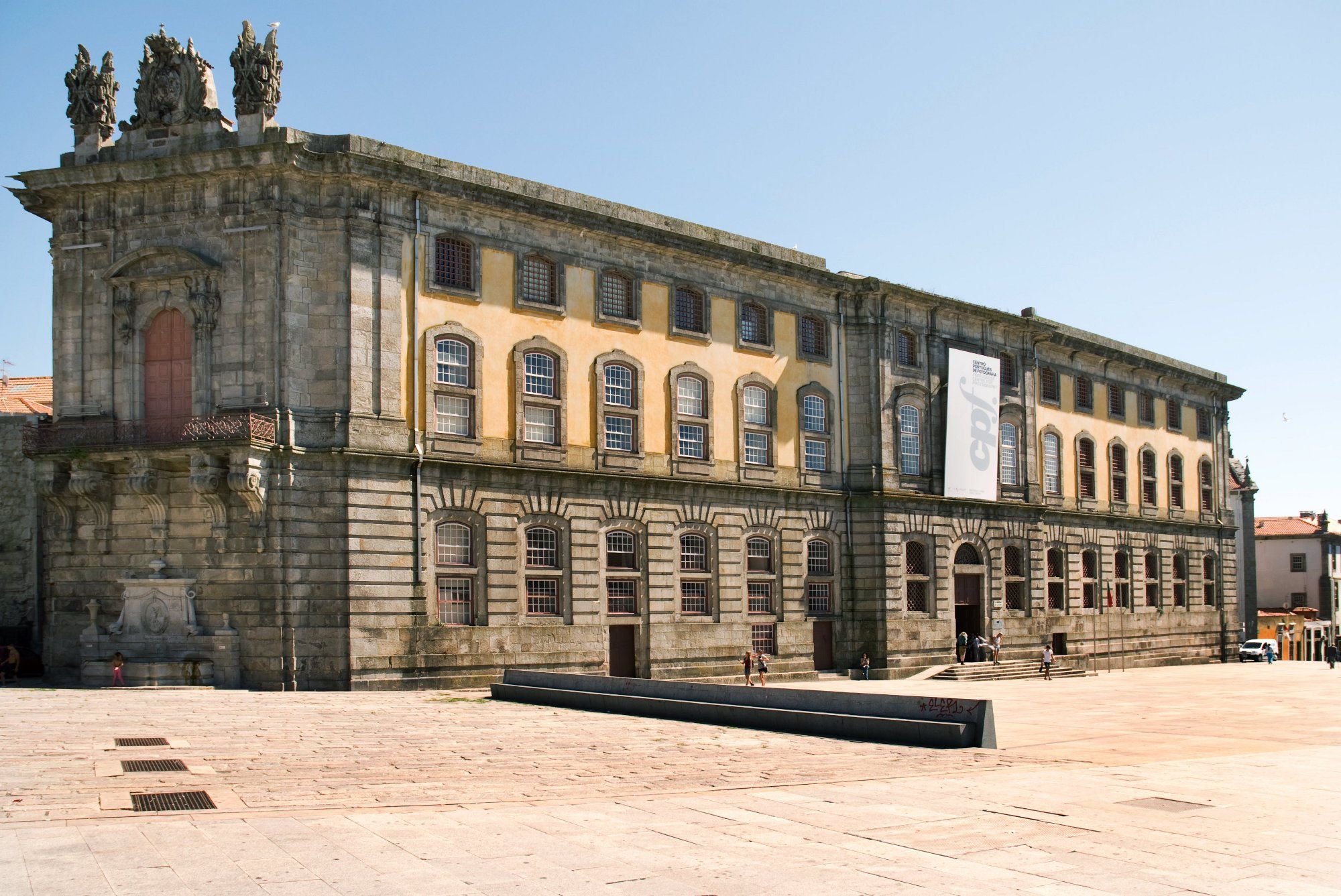
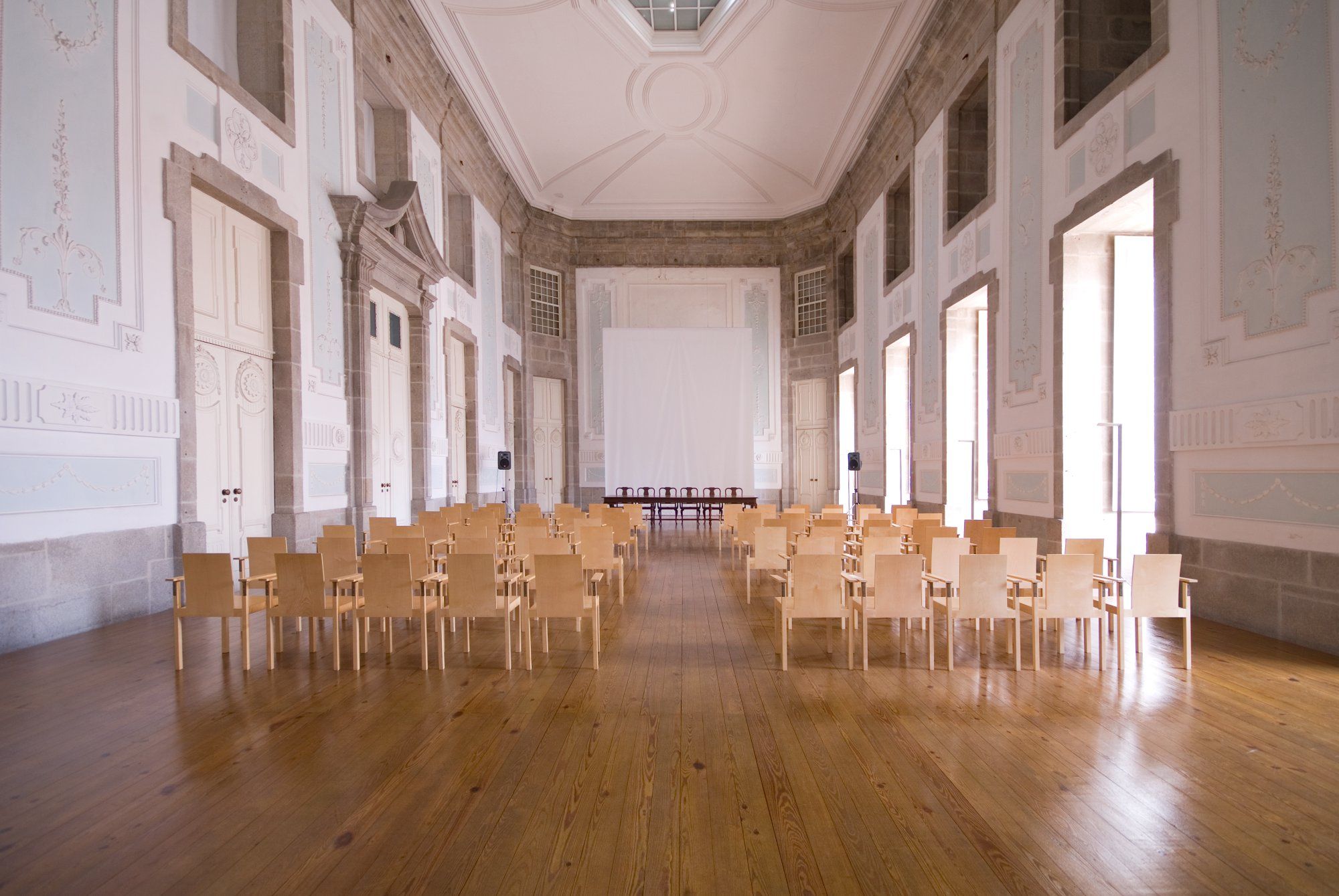
“The building housing the Portuguese Photography Centre, also known as the “Cadeia da Relação”, began to be built in 1767, at the design of the architect from Lisbon’s Pombaline period, Eugénio dos Santos e Carvalho, on roughly the same site where, at the beginning of the 17th century, the first facilities for the Relação and Casa do Porto had been built. The grandiose building, which took almost thirty years to build, was built among the houses, next to the convent of S. Bento da Vitória and opposite the Porta do Olival, and was to house the Court and the Relação Prison. The available area of the building, which has a curious trapezoidal layout, was divided almost equally between the Court and the Prison, and the Court facilities were carefully finished, which can still be seen today in various construction details.” (…)
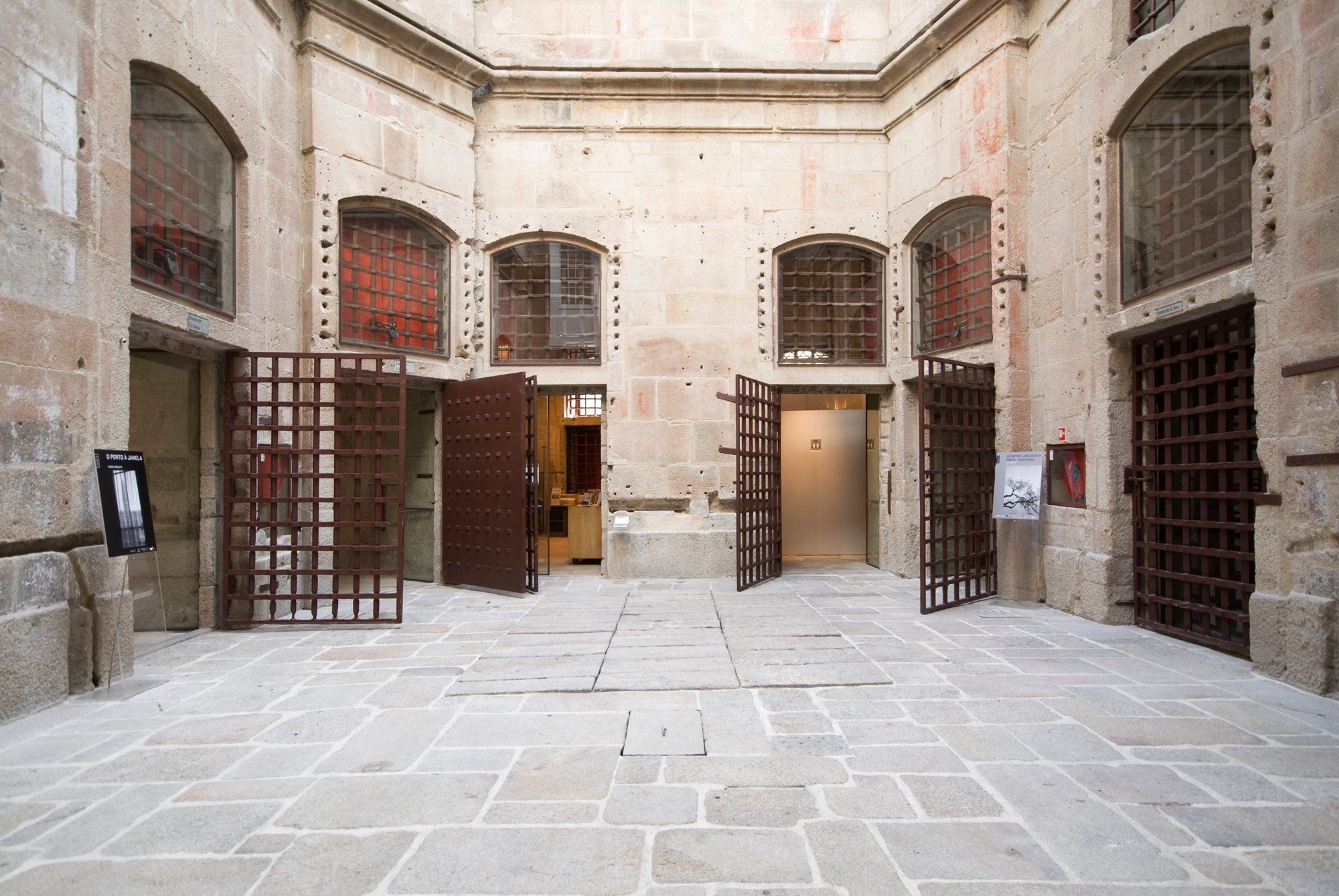
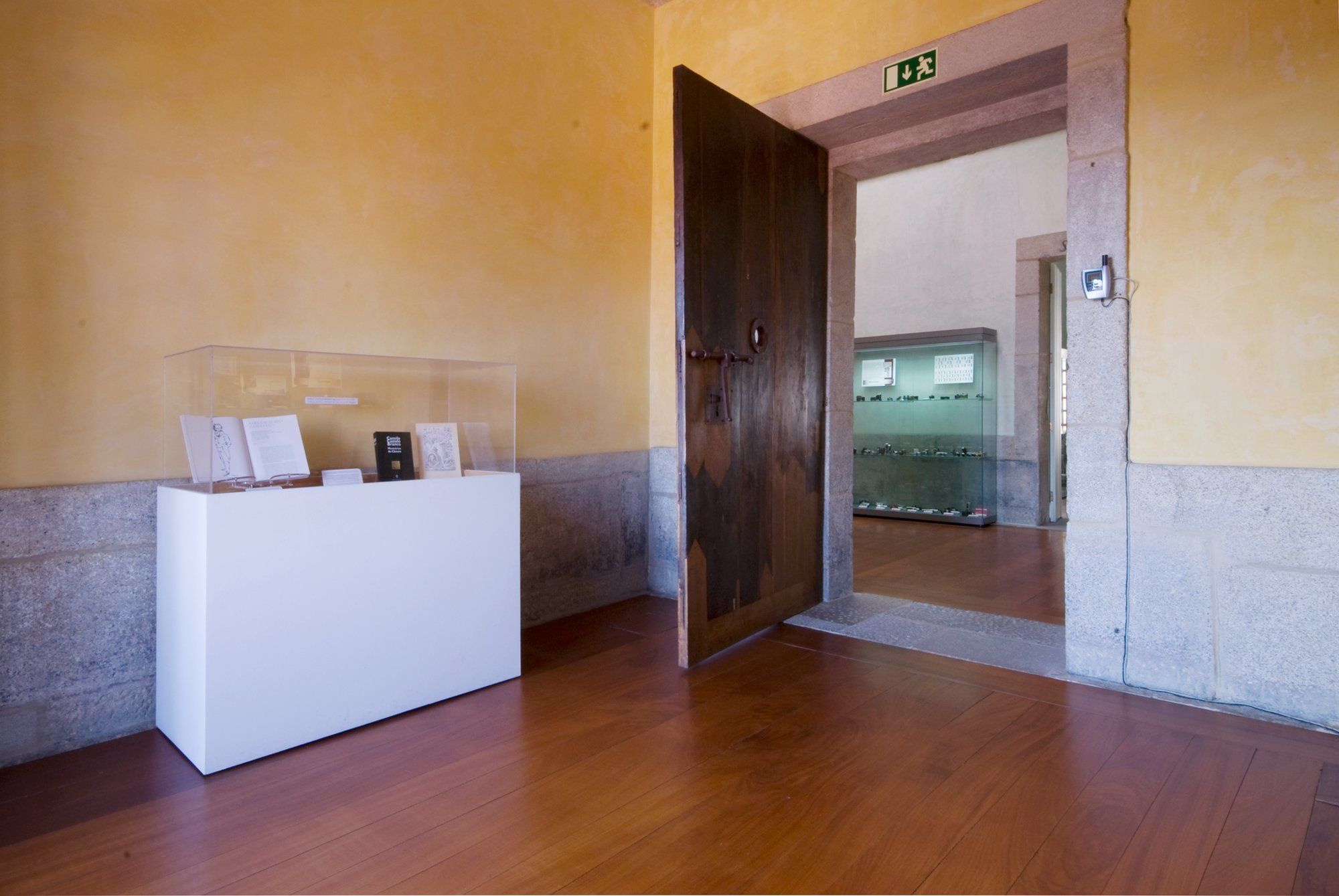
“In the space intended for the Prison, the plans followed the punitive concepts that were in force at the time, with concerns about security evident in the thick granite walls, the double bars on the ground floor, the iron-plated doors, etc.” (…)
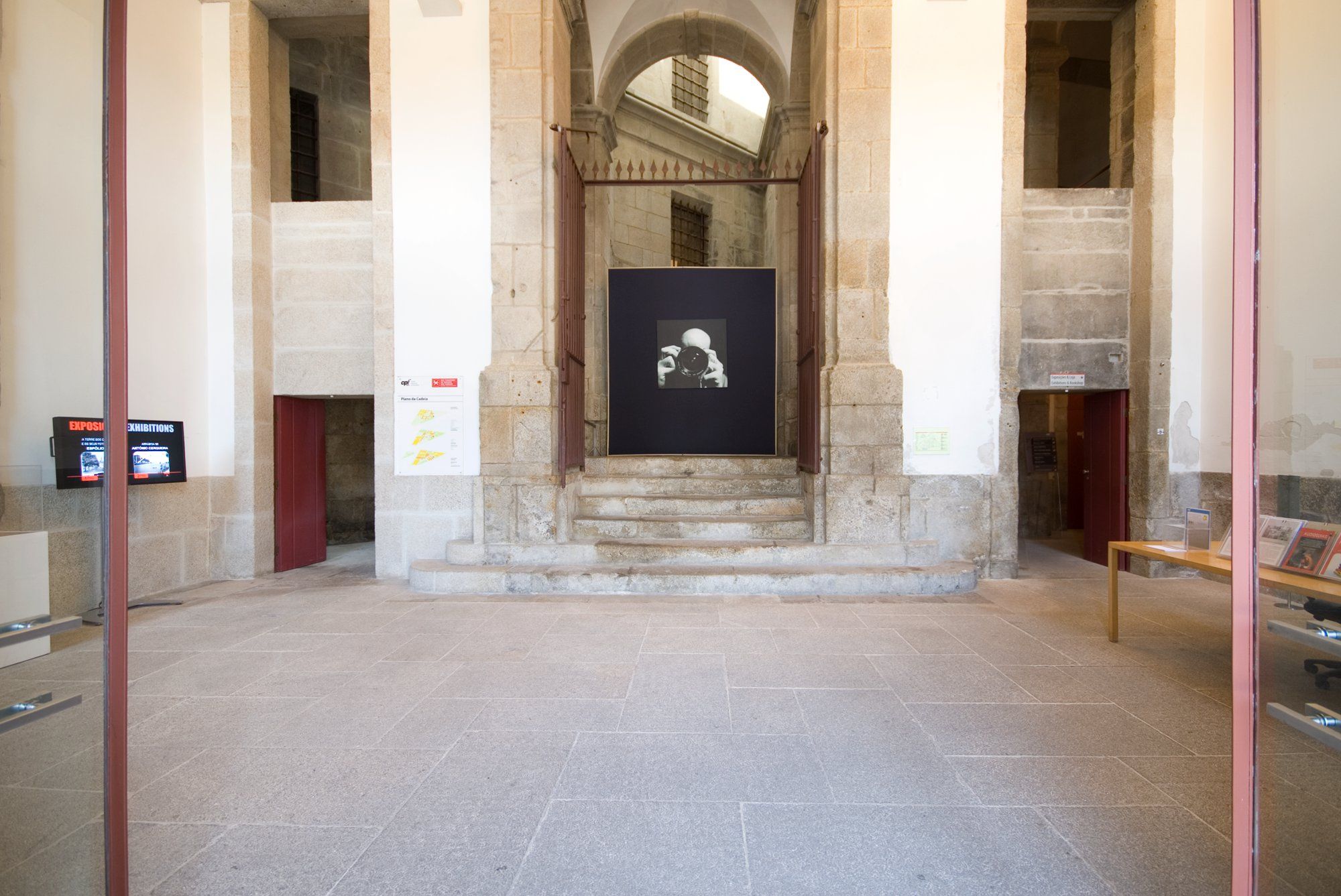
“The main hall, designed to provide lighting and ventilation for the prison area, would become, in 1862, with the creation of the “prisoners’ courtyard”, a vital area for the establishment’s daily life. To this end, a huge tank there was rendered useless and the windows of the dungeons were transformed into access doors.” (…)
“The concept of a penitentiary prison that became popular in the 19th century immediately came into conflict with this old 18th-century prison. Due to poor construction solutions and infrastructure, combined with the State’s financial inability to carry out major renovation works, the building gradually fell into disrepair over the years. At the same time, due to architectural impossibility, it did not undergo major interventions as happened in other European prisons. Thus, there was no possibility of creating cells, nor, much less, completely isolated accommodation for women and minors, dining rooms, changing rooms, etc. All the adaptations that were carried out, particularly those that took place in the 20th century, especially after the Court moved to another building in 1937, were done in extremely precarious conditions, with minimal budgets, always with a view to the future transfer to a new prison establishment that had long been planned for Porto.” (…)
“From 1987 onwards, the building, ceded by the General Directorate of State Heritage to the IPPC, underwent a series of interventions to halt its state of degradation, which was accompanied by archaeological surveys, dating of materials, historical research, etc. In 1989, the project for its recovery and remodelling was awarded to Architect Humberto Vieira and Gabinete de Organização e Projectos, Ldª. In 2000, a final intervention was initiated to adapt it to its new functions – the Portuguese Photography Centre –, the project of which was designed by architects Eduardo Souto Moura and Humberto Vieira.”
text by Maria José Moutinho Santos and Margarida Santos Coelho at http://www.cpf.pt/edificio.htm
from the Project Description
(…) “As a philosophy of the intervention to be carried out, taken into account for all the different works to be carried out, the understanding that we always want to safeguard is that of preserving the building, rather than restoring it, with the aim of restoring its original state, seeking to avoid invasive actions on its integrity as a classified building with its own life and history.
This principle applies, in general terms, to the treatments to be carried out in the repair of both plaster and interior stucco, whether on walls or ceilings, or even exterior walls, when the pathologies found are not due to serious problems of moisture infiltration or recognised structural deformations. Likewise, in the general treatment of the stonework on the façades, it is proposed as a principle that only cleaning work be carried out, accompanied by operations to fill joints and open cracks, which minimize or eliminate pathologies resulting from rainwater infiltration, which is always undesirable, without the intention of repairing natural damage to the surfaces and textures thereof, caused by the passage of time and aggravated by the action of atmospheric agents and, in particular, by pollution.
Therefore, it is not expected that, particularly in the stonework that delimits the framing of the different spans enclosed by metal railings, which present damage to the behavior of the stone elements due to the action of time or even due to incompatibilities resulting from the intrusion of the metal spikes of the railings themselves into the stones, repairs involving the replacement of damaged elements will be carried out, instead opting for possible specific reinforcements of their consistency and stability or for the repair of existing ones.
In addition, works underlying the improvement of the building’s functional conditions and the restoration of certain situations resulting from specific, less convenient interventions that have occurred in the meantime, which contradict and distort principles defined by previous intervention projects are included.” (…)
José Manuel Figueiredo and Paulo Seco
- Architecture: (reabilitação) José Figueiredo . Paulo Seco
- Collaboration: Filipe Lourenço . Rita Neves
- Location: Porto
- Project: 2015
- Construction:
- Image Copyright: Centro Português de Fotografia