JOSÉ BRAGA HOUSE
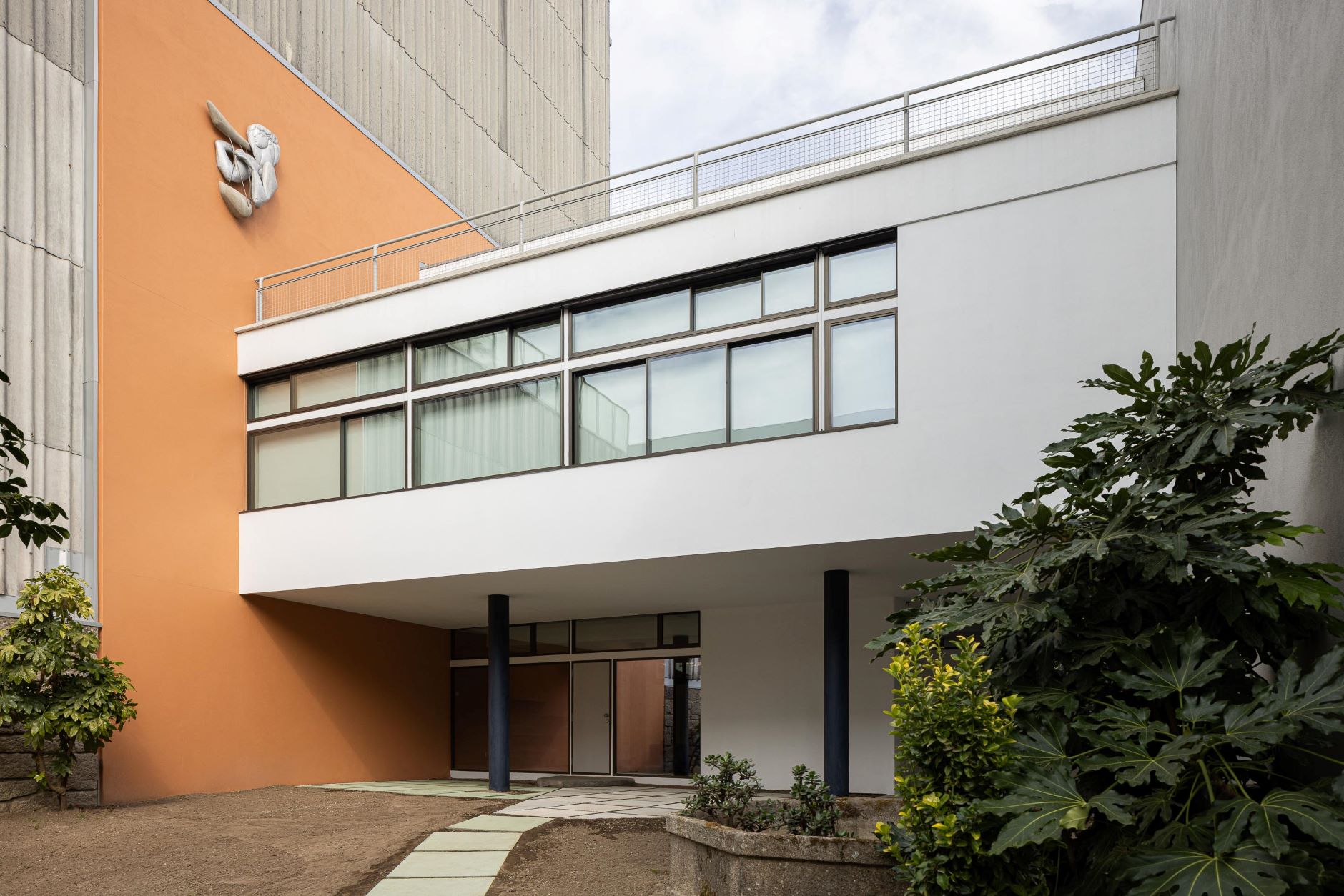
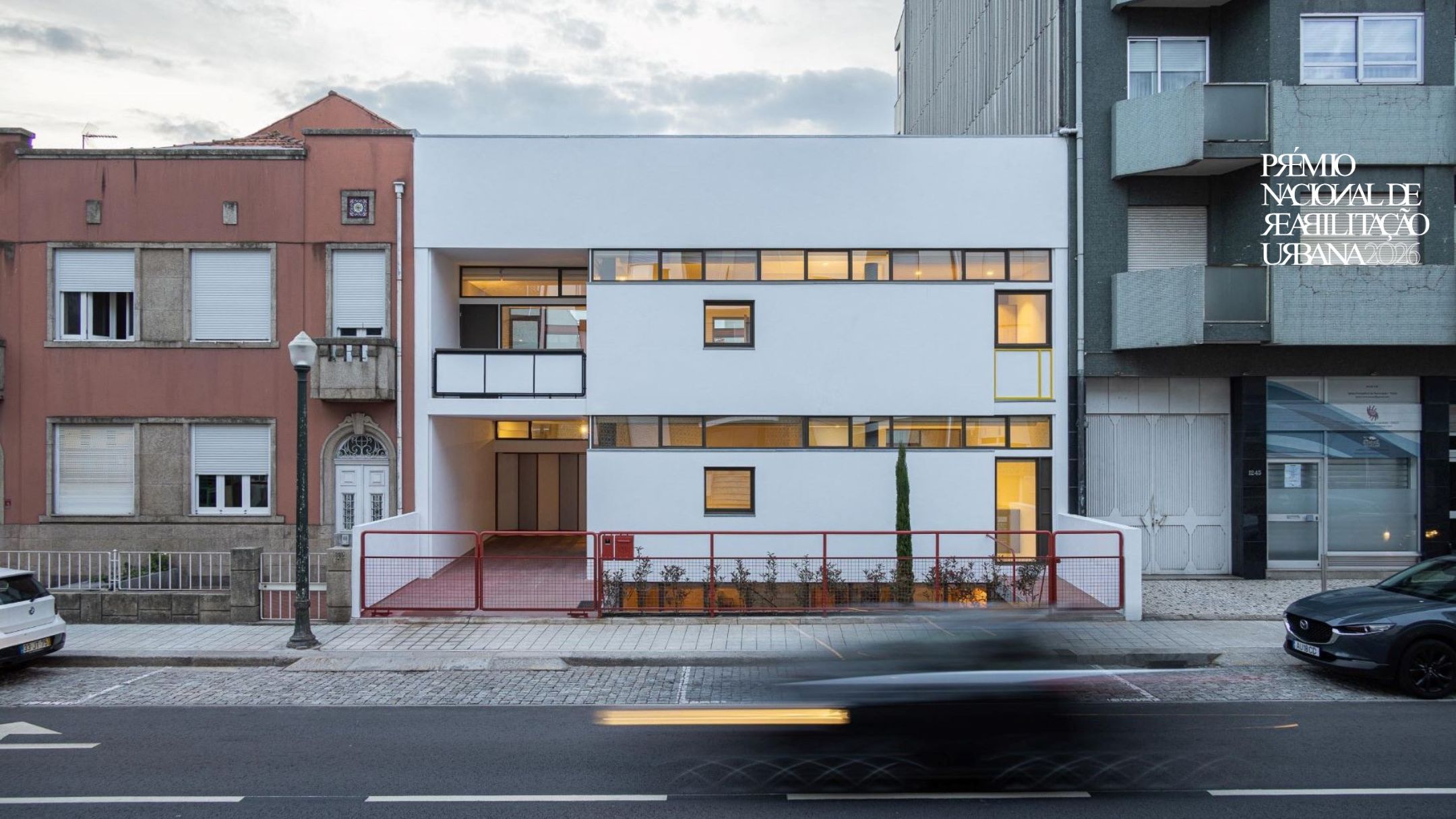
The José Braga House, built in 1949, is one of the first works by architect Celestino Castro (1920–2007). It is one of the works referenced for classification by Docomomo Ibérica and appears in most catalogues and guides on 20th-century architecture in Portugal.
This work was published in issue 54 of Arquitectura magazine in 1955, appearing on the cover of that magazine, as well as on the cover of the Guia de Arquitectura Moderna (Guide to Modern Architecture), curated by architects Jorge Figueira, Paulo Providência and Nuno Grande, as part of Porto 2001 European Capital of Culture.
It is definitely one of the most radical examples built in Portugal of the application of the rules, construction principles, formal principles and language of modern architecture to a single-family dwelling.
Fortunately, it has maintained its integrity over more than 70 years. However, it has undergone some changes, the most significant being the demolition of a service staircase; the original design itself also underwent some changes during construction. The most significant change was made to the main façade, with the inclusion of two square windows, which detract from its modernist purity but give it character. Without these openings, this house would be just another modernist house.
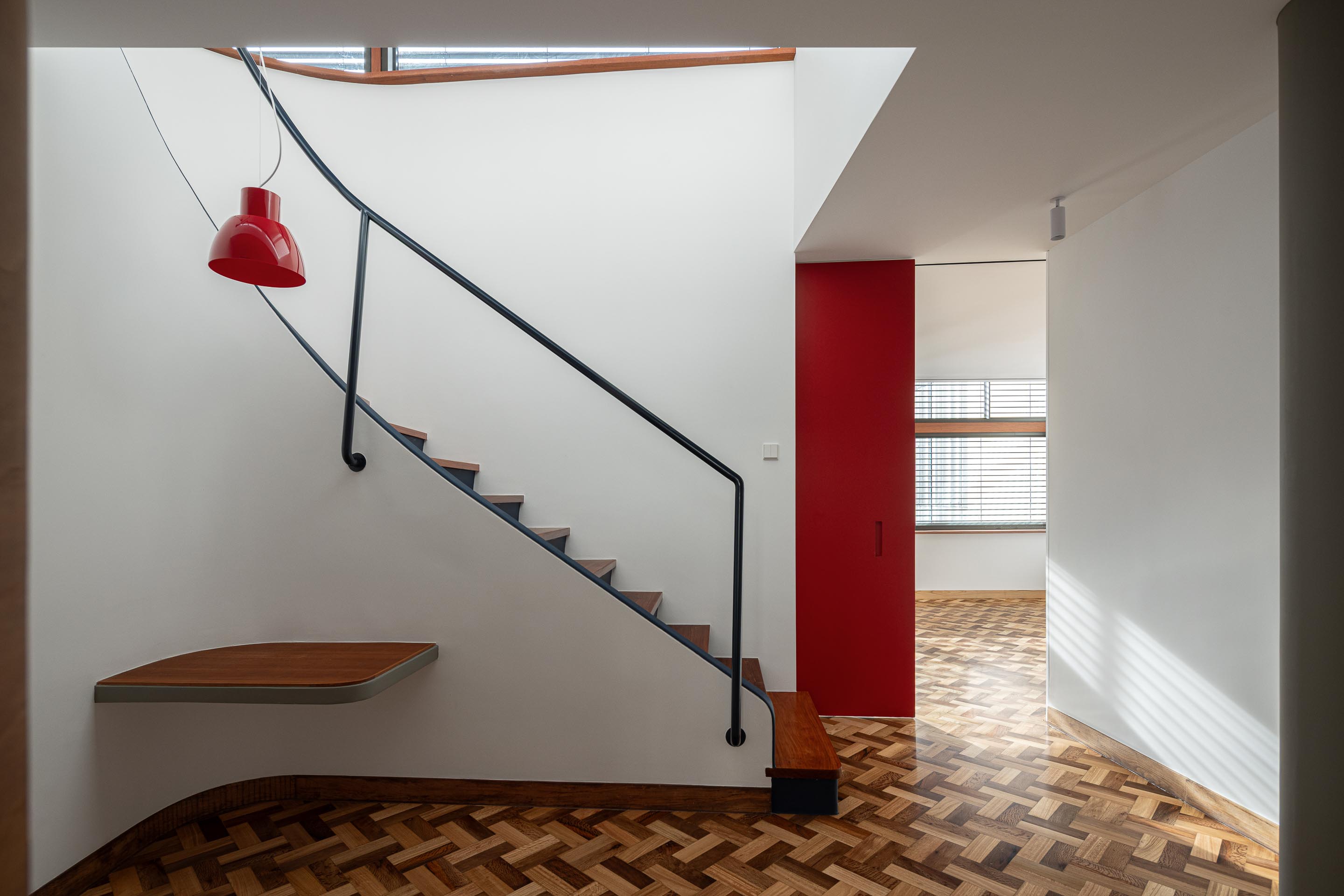
The renovation project we developed went through important phases of research, metric surveys and diagnosis of construction techniques, finishes and infrastructure, photographic recording of the existing structure and surveys of the different layers of paint, before moving on to the search for solutions for the intended use: a permanent residence that respects the identity of the building and is equipped with modern comforts.
This intervention aimed to remodel and rehabilitate. It was never intended to be a restoration, although the aim is to maintain many of its original elements and even replace others that were removed.
Intervening in a building of architectural interest, particularly a modern building, does not substantially alter methodological, disciplinary or even ethical issues, although it does, of course, have specific requirements.
Because there is a very fine line between what remains because it is considered important, structural, identity-defining, exemplary, authentic, and what should be removed or altered because it is spurious, false, degraded and does not justify repair, or because it does not meet the requirements of the new project.
This question leads to another dimension of intervention in built heritage, which is the definition of the programme to be implemented and the assessment of whether that programme is appropriate, whether we can assign new uses to it or qualify existing ones from a comprehensive perspective, giving shape to an overall vision. And defining what to do, but also how to do it.
A presentation on this project was given at the 2nd Colloquium of the College of Architectural Heritage of the Order of Architects, entitled “Architects. Geração de 1920" (Architects. Generation of 1920), held at the Marques da Silva Foundation and part of the Programme to Commemorate the Centenary of the Birth of Fernando Távora, which can be seen at
https://www.youtube.com/watch?v=FiucUZbdmx8
- Architecture: Celestino Castro | Paulo Seco - reabilitação
- Collaboration: Filipe Lourenço . Rita Neves
- Location: Porto
- Project: 2022
- Construction: 2025
- Image Copyright: ITS Ivo Tavares Studio